
Beyond the beaches, Tobago is rich with traditions that shaped generations.
Marble pitching is one of Tobago’s most cherished childhood traditions, passed down through generations long before video games and smartphones ever reached the island. Introduced during the colonial era, likely brought by European settlers, marbles quickly took on a life of their own in Tobagonian communities, evolving into a game deeply rooted in local culture.
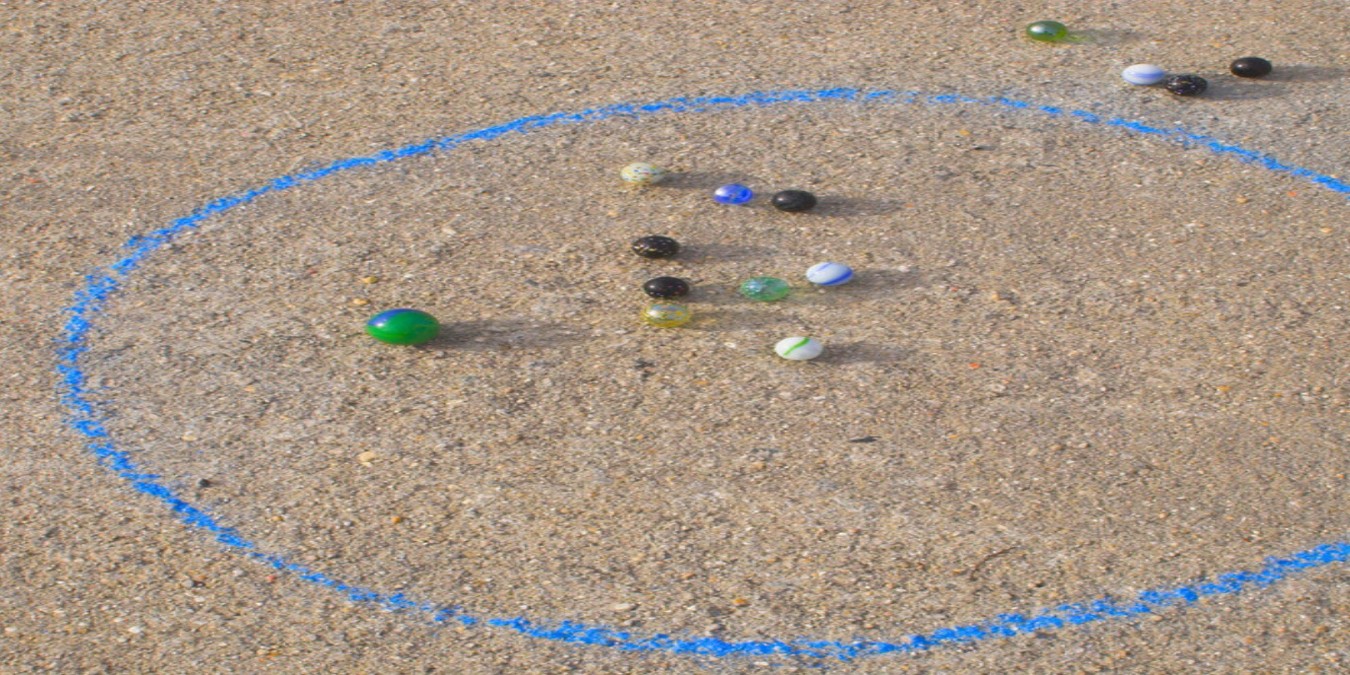
By the mid-20th century, marble pitching had become a daily ritual for children across villages. Played on sandy yards, village roadsides, school grounds, and open spaces, the game required nothing more than a handful of marbles and a circle drawn in the dirt. Yet within that simplicity lived endless excitement.
Children learned strategy, patience, accuracy, and friendly competition. Each marble, often brightly colored or glassy, was prized, traded, and sometimes fiercely defended. Winning wasn’t just about skill; it was about pride, bragging rights, and storytelling long after the game ended.
What truly set marble pitching apart was the joy it created. Laughter echoed through neighbourhoods as players crouched low, eyes focused, hearts racing. Victories were celebrated loudly; losses were met with playful teasing and determination to try again tomorrow. The game brought children together across age groups, teaching cooperation, respect, and resilience.
Marble pitching was also a seasonal highlight, especially during school holidays and Christmas time, when new marbles were a treasured gift. It was a moment of pure happiness, barefoot children, sun-warmed earth, and the simple thrill of a well-aimed shot.
Today, while the game is played less frequently, marble pitching remains a powerful symbol of Tobago’s cultural heritage. It represents a time when joy was found in togetherness, imagination, and play, reminding us that some of life’s greatest pleasures come from the simplest moments.
Comments