
Fort Bennett, perched on the cliffs overlooking Great Courland Bay in Black Rock, is one of Tobago’s earliest documented military outposts, its origins tracing back to the fierce colonial rivalries of the 1600s. Dutch settlers first constructed the fort in the early 17th century as a coastal battery designed to monitor shipping lanes and secure their foothold on the island. Its position was no accident: from this vantage point, soldiers could survey vast stretches of Tobago’s western coastline, giving early warning of hostile vessels approaching from the Caribbean Sea.
By the 1680s, the site was strengthened by the Courlanders settlers from the Duchy of Courland (modern-day Latvia), who attempted to build a permanent colony and relied on Fort Bennett for protection against European rivals and privateers. When the British ultimately gained control of Tobago in the 18th and 19th centuries, they refortified the area once more, transforming Fort Bennett into a functional artillery point used to defend sugar estates, shipping operations, and merchant vessels engaged in Tobago’s export economy.
Though only fragments of the original fortifications survive today, Fort Bennett remains a significant relic of Tobago’s military and maritime past. The cannons still resting on the grounds speak to a period defined by naval conflict, plantation wealth, and constant geopolitical tension in the Southern Caribbean. The site embodies the layered history of an island contested by multiple powers, each leaving its imprint on the landscape.
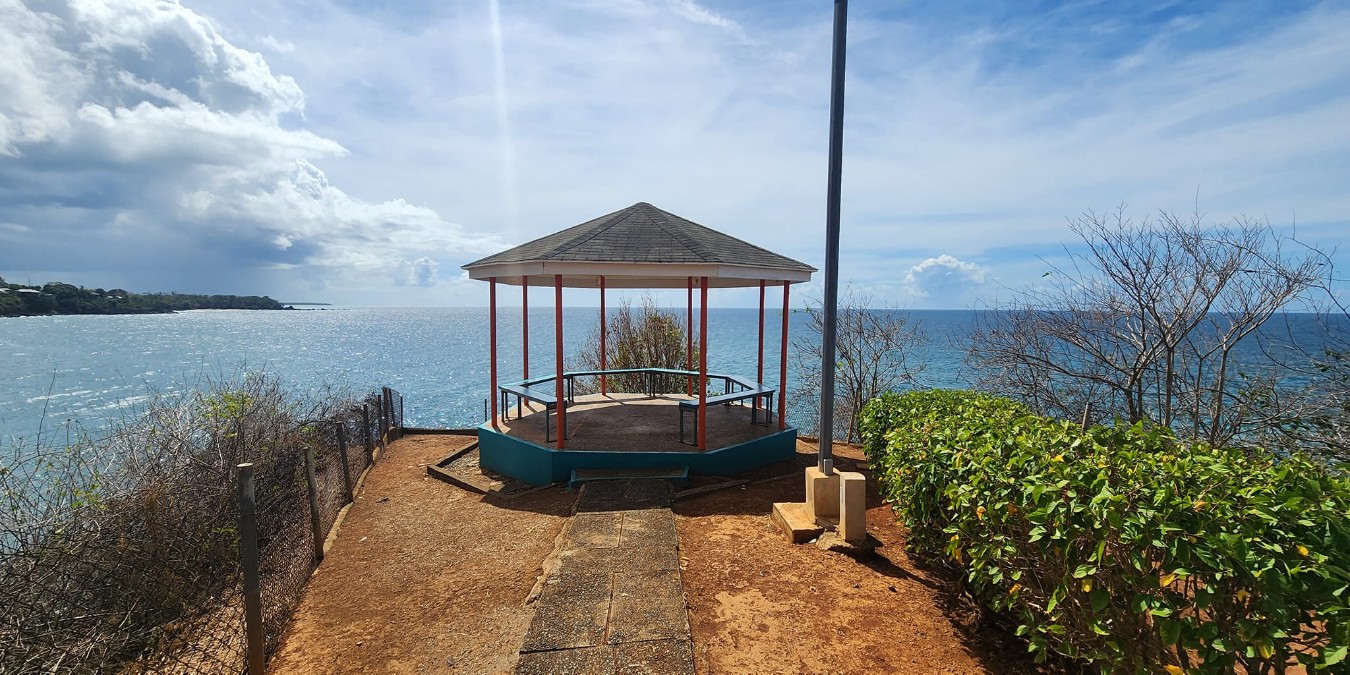
Now, the fort’s most enduring legacy is its perspective: a sweeping lookout where history and horizon meet. Visitors stand where soldiers once stood, facing the same endless sea that shaped centuries of trade, struggle, and transformation on Tobago’s shores.
Comments