
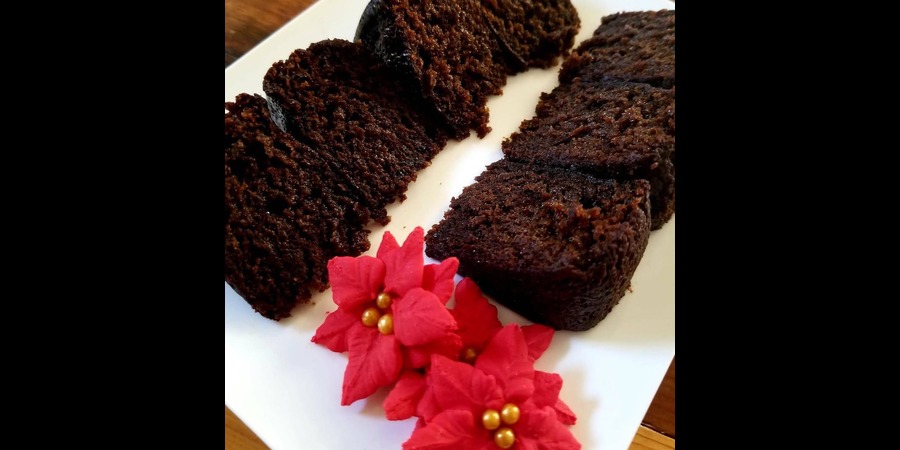
Rich, aromatic, and steeped in tradition, Tobago Black Cake is the crown jewel of the island’s Christmas celebrations. Though it may look like a simple fruitcake, every slice carries centuries of history, blending colonial influences with the ingenuity of Caribbean cooks.
The story begins with British plum pudding and fruitcake recipes, brought to the islands during colonial times. Tobagonians adapted them with local flair, soaking dried fruits in rum and wine for months, caramelising sugar to deepen the colour, and folding in spices like nutmeg and cinnamon. Over time, these cakes transformed into something uniquely Caribbean: dense, dark, and bursting with complex flavours.
In Tobago, Black Cake is more than a dessert; it’s a ritual. Families gather for days, sometimes weeks, to prepare the cake, carefully mixing soaked fruits, rich molasses, and warming spices, passing down techniques from one generation to the next. From the kitchens of Scarborough to the homes of Roxborough, the scent of Black Cake baking signals the approach of Christmas, filling homes with anticipation and joy.
Every bite is a celebration of heritage. Served alongside sorrel, roast ham, and sweet breads, Black Cake connects Tobagonians to their past, to their families, and to the shared spirit of the season. It is a reminder that some traditions are worth preserving not just for the flavour, but for the memories they carry.
For Tobagonians, Christmas without Black Cake is unimaginable; it is at once a festive centrepiece, a culinary heirloom, and a delicious link to the island’s rich cultural tapestry.
- Photo captured by @mytrinibox
Comments