
The Samaan Tree, also known as the Rain Tree (Samanea saman), stands as one of Tobago’s most majestic and symbolic trees, deeply rooted in the island’s natural and cultural history. Introduced to the Caribbean in the 18th century, the Samaan quickly became a defining feature of Tobago’s landscape due to its immense canopy, strength, and longevity. Its wide-spreading branches were historically used as natural gathering spaces, offering shade to villagers, farmers, and even colonial soldiers seeking refuge from the tropical sun.
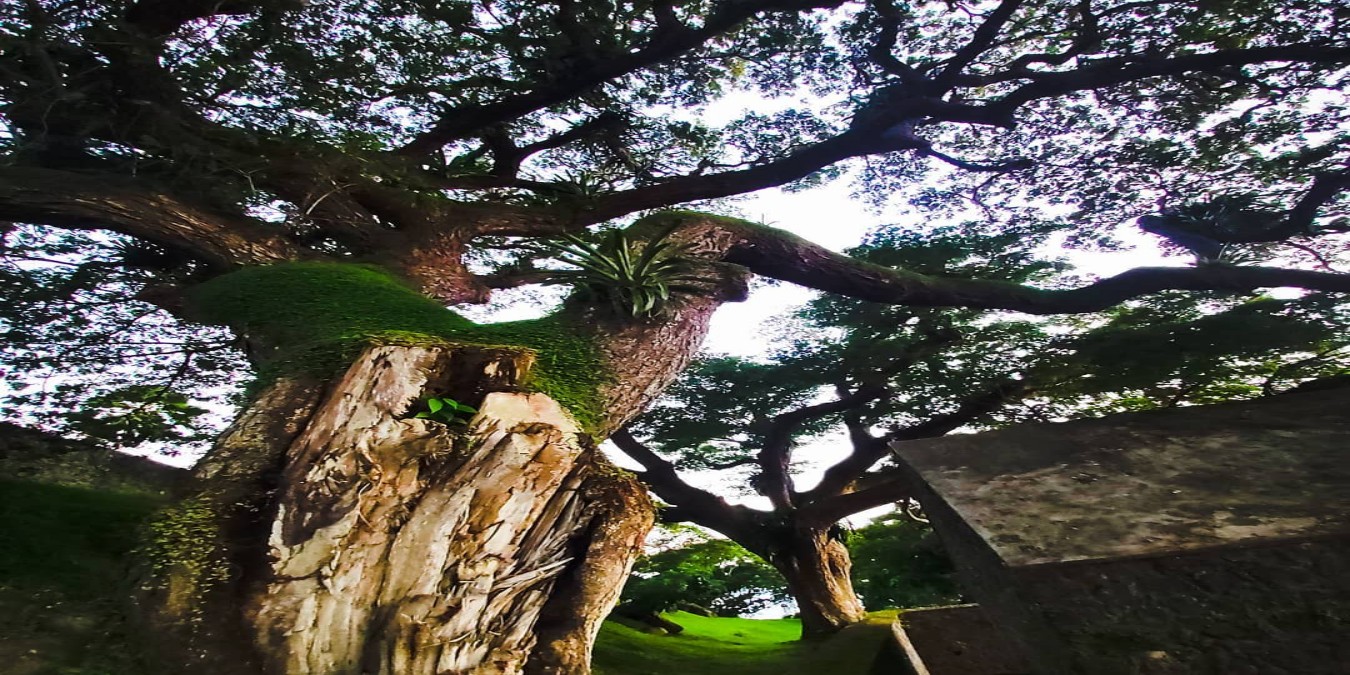
In Tobago, Samaan Trees are often found near historic estates, forts, and old village paths, silently witnessing centuries of change from Indigenous Amerindian presence, through colonial rule, emancipation, and into modern Tobago. Folklore surrounds the tree, with elders believing it holds spiritual significance and protective energy, especially when moss, ferns, and epiphytes grow along its trunk, as seen in this image. Its name, “Rain Tree,” comes from the way its leaves fold at dusk, allowing dew and moisture to fall like gentle rainfall beneath its branches.
Today, the Samaan Tree remains a living monument representing resilience, shelter, and continuity, a reminder that Tobago’s history is not only written in stone forts and museums, but also etched into the roots and branches of its ancient trees, standing tall as guardians of the island’s past.
Comments