
Next time you find yourself beneath the tall shadows of Tobago’s forest canopy, maybe along an overgrown trail, near a Cecropia tree, or on the still edges of Main Ridge, pause for a moment. Let your eyes adjust to the layered greens. Watch the trunks, the fallen fruit, the soft movement between shafts of light.
There, swift as a whisper and gone just as quickly, you might glimpse the Orion Butterfly.
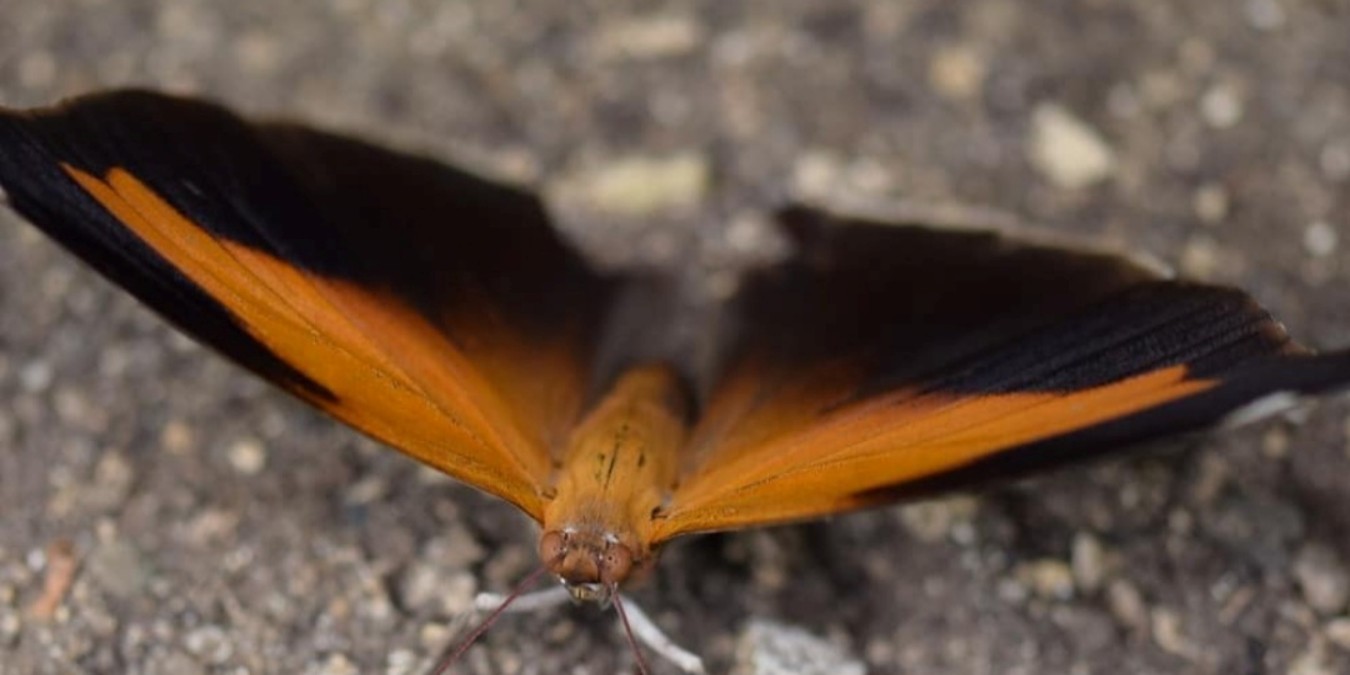
Dark, powerful wings. A deep rusty orange glowing at the tips. A flash of copper that disappears the second it settles. With its wings closed, it becomes nothing more than a dried leaf clinging to bark, a master of camouflage shaped by centuries of forest evolution.
The Orion has been part of Tobago’s natural history for generations. Its caterpillars rely on the island’s native Cecropia trees, building clever frass-chains to hide from ants, surviving where the forest remains wild and balanced. Where the Orion flies, the ecosystem is healthy, with fruiting trees, a clean understory, and quiet spaces untouched by rush or noise.
Spotting one is rare. It feels like meeting a creature that belongs to an older Tobago, a reminder that some beauty hides in motion, in shadow, in the spaces we often walk past without noticing.
If you ever see the Orion drift across your path, you’re witnessing a piece of Tobago’s living history… a fleeting moment of forest magic.
Comments